Moving house often brings a mix of anticipation and pressure, especially when it comes to handling delicate belongings. Items like glassware, artwork and heirlooms carry not only financial value but also personal significance, making their safe transport a priority.
For those planning a move and researching removalists in Lismore, understanding how to protect fragile items can help reduce the risk of damage. From packing methods to transport considerations, each step plays a role in how securely these items arrive at their destination. A careful, structured approach can make a noticeable difference when dealing with breakable or high-value possessions.
Why fragile and valuable items require a different moving approach from day one
Fragile and valuable items are more susceptible to damage during a move due to their materials, shape or sensitivity to pressure. Unlike everyday household goods, they often require additional preparation well before moving day.
Glass items can crack under minor impact, artwork can be affected by temperature changes, and electronics may suffer internal damage if not handled correctly. These risks mean that packing and transport need to be approached with greater attention to detail.
Planning ahead allows time to gather the right materials and decide which items may need specialised handling. This early preparation can help reduce last-minute decisions that may increase the likelihood of damage.
Choosing the right packing materials makes all the difference
Using suitable packing materials is one of the most important steps in protecting fragile items. The goal is to cushion, stabilise and isolate each item during transit.
Common materials include:
- bubble wrap for cushioning and shock absorption
- packing paper to wrap items without scratching surfaces
- sturdy boxes designed to support weight without collapsing
- foam inserts or dividers to separate delicate items
- heavy-duty tape to secure boxes and prevent shifting
Selecting the right combination of materials can help prevent items from moving inside boxes, which is often where damage occurs during transport.
How to pack fragile items step by step to minimise movement and impact
Packing fragile items involves more than simply wrapping them and placing them in a box. Each layer of protection helps reduce the chance of movement and impact.
Start by wrapping each item individually using packing paper or bubble wrap, ensuring that all surfaces are covered. Place a cushioning layer at the bottom of the box before adding items, and fill any gaps with additional padding to prevent shifting.
Heavier items should be placed at the bottom, with lighter items on top. Avoid overpacking boxes, as excess weight can lead to breakage when lifting or stacking. These tips for packing fragile items can help maintain stability throughout the moving process.
Special handling for high-value items like artwork, antiques and electronics
Certain items require more specialised care due to their value or sensitivity. These items often benefit from tailored packing methods and handling procedures.
Examples include:
- artwork wrapped in protective coverings and placed in flat, reinforced boxes
- antiques cushioned carefully to protect delicate components and finishes
- electronics packed in original packaging where possible or secured with foam supports
- mirrors and glass panels stored upright to reduce pressure points
Understanding how to pack fragile items in these situations often involves considering both the material and the shape of the item, ensuring it is supported from all angles.
Labelling and inventory tracking to avoid costly mix-ups
Clear labelling plays an important role in protecting fragile items during a move. Without proper identification, boxes may be handled incorrectly or stacked in unsuitable ways.
Each box containing delicate items should be labelled with clear instructions, such as “fragile” or “this side up”. This helps anyone involved in the move understand how the contents should be handled.
Creating a simple inventory list can also help track valuable items from start to finish. This approach provides an added layer of organisation, particularly when moving multiple boxes that contain similar items.
Loading techniques that reduce pressure, shifting and breakage in transit
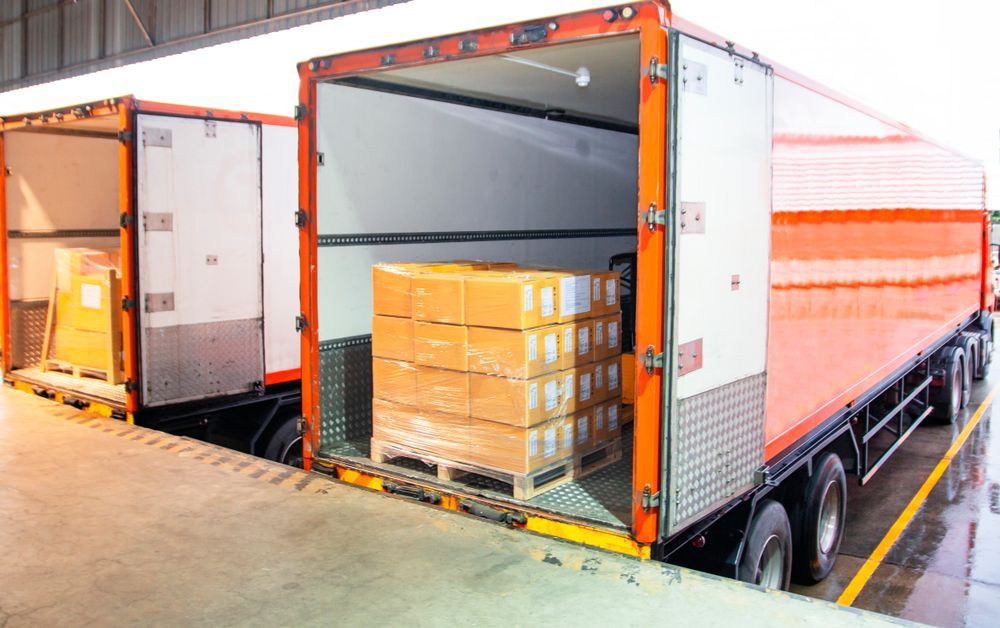
How items are loaded into a moving vehicle can significantly affect their condition upon arrival. Even well-packed boxes can be damaged if they are placed incorrectly during transport.
Effective loading techniques include:
- placing heavier boxes at the base to create a stable foundation
- keeping fragile boxes away from high-pressure areas
- securing items with straps or padding to prevent movement
- avoiding stacking fragile boxes too high
These methods help reduce the risk of items shifting during transit, particularly when travelling over uneven surfaces or during sudden stops.
When professional removalists make the process far less risky
Handling fragile items can be challenging without the right experience or equipment. Engaging removalists in Lismore can provide access to packing techniques and transport methods designed for delicate goods.
Removalists often work with a range of items, from household glassware to larger, more complex pieces. Their approach typically involves careful handling, appropriate packing materials and structured loading processes.
For those unsure about how to manage delicate items, reviewing guidance from a trustworthy removalist near you can offer additional insights into selecting the right service for the job.
Unpacking with care: protecting items even after they arrive
The final stage of moving fragile items is unpacking them safely. Rushing this step can undo the effort put into careful packing and transport.
When unpacking:
- open boxes slowly to avoid sudden movement of contents
- remove padding layer by layer rather than pulling items out
- inspect items for any signs of damage before placing them
- position items in stable locations away from high-traffic areas
Taking time during this stage helps maintain the condition of fragile items and allows for careful placement in their new environment.
Moving fragile and valuable items across Lismore can come with added challenges, particularly when dealing with delicate materials or long-distance transport. From careful packing to secure loading, each step plays a role in how safely your belongings arrive. At Ballina Removals & Storage, we assist individuals and families with moving services that take into account the handling of fragile and valuable items. If you are planning a move and need support from removalists in Lismore, you can get in touch with us to discuss your requirements and organise your next move with care.